Current Machinery Directive
The Commission states that machinery placed on the EU market before this date must comply with Directive 2006/42/EC.
PRODUCT / MARKET / RESPONSIBLE PARTY
Identify the actual assembly, destination market, intended function and document owner before agreeing conformity deliverables. Keep rigging standards and legal product obligations distinct.
LoadShackle engineering resources · Reviewed
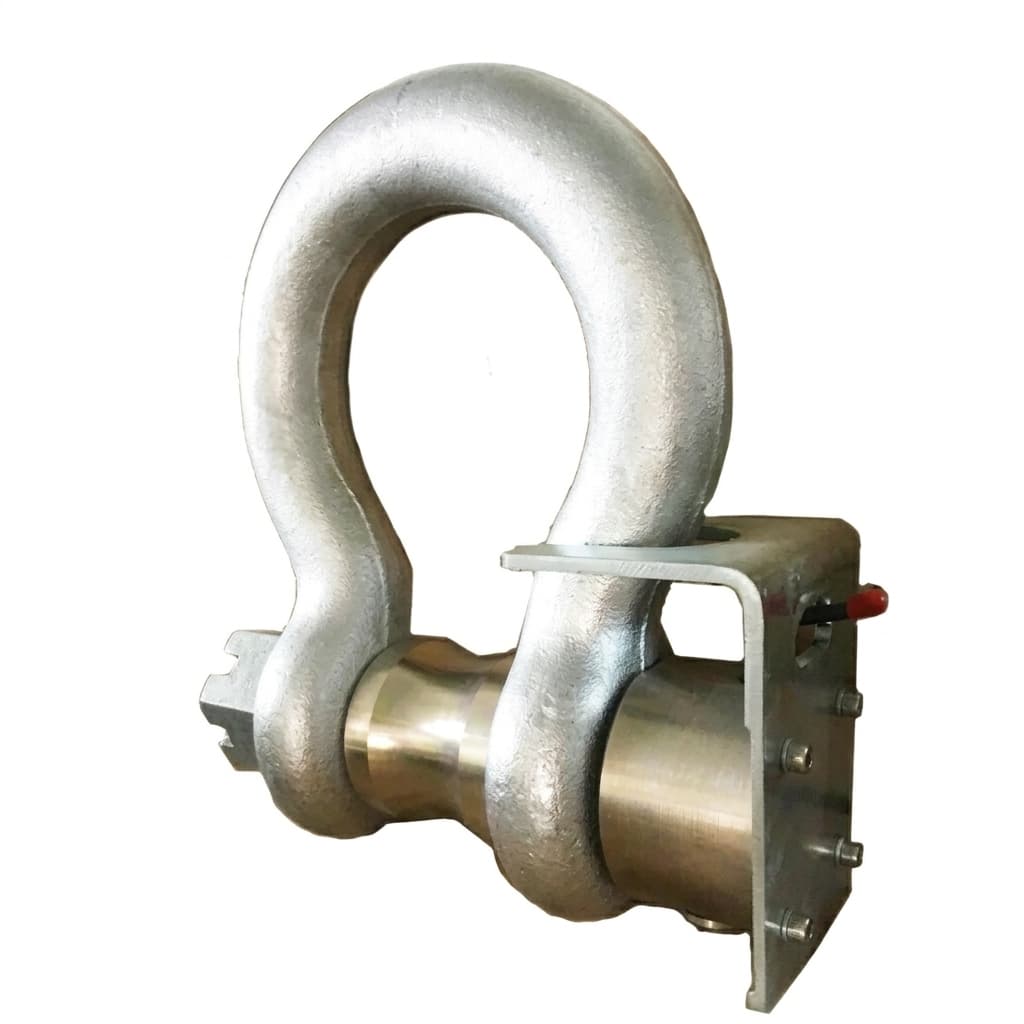
EU MACHINERY TRANSITION / REVIEWED NOVEMBER 2026
The Commission states that machinery placed on the EU market before this date must comply with Directive 2006/42/EC.
This is the regulation’s general mandatory application date. Some provisions apply earlier; check the current text and the product’s actual circumstances.
The required route depends on what is supplied and its intended function. Establish the product boundary, including lifting hardware, load indication, control interfaces and any integration into another machine. European Commission machinery overview · Current EUR-Lex text, including Articles 2, 3 and 54.
Identify the complete assembly and revision, sensing pin/readout, accessories and intended use. Clarify whether the request is for a load indication system, lifting accessory, integration component or another defined supply.
Record destination jurisdiction, intended placing-on-market timing, user language, operating environment and project-specific requirements. A shipping address alone does not define every applicable obligation.
Identify the actual manufacturer, any authorized representative, importer and integrator as applicable. Put the legal entities, contact details and document responsibilities into the agreed supply record.
Request the applicable assessment basis, issued declaration/instructions, technical record references and correct product identification. Match bought-in body, sensor and electronics evidence to the final assembly.
These are procurement review questions, not an automatic product classification. Reconcile the outcome with the written engineering scope and releases.
ARTICLE 10(7)–(8) / CONDITIONAL DIGITAL DELIVERY
For machinery or related products within its scope, Article 10 addresses digital instructions and declarations. Agree how the product identifies access; users must be able to print, download and save instructions. Online availability extends through the expected lifetime and at least ten years under the relevant provisions. Language, paper-on-request and non-professional-user safety-information conditions also matter. Regulation (EU) 2023/1230, Article 10(7)–(8).
Record model/serial applicability, drawing and instruction revision, language, release date, permanent document address, custodian, retrieval method and retention responsibility. Plan for revised or withdrawn configurations and the buyer’s offline copy. Agree whose URL/QR access identifier is marked on the product or, where the regulation permits, its packaging/accompanying document, and who maintains that address.
The open worksheet library helps prepare enquiries. Supplied equipment needs its own applicable instructions and records. A generic RFQ sheet cannot replace those documents or establish that all legal retention duties have been discharged.
Where the user asks at purchase, Article 10(7) requires paper instructions at no charge within a month. Agree who receives requests and supplies the paper copy. The article also addresses paper safety information for intended or reasonably foreseeable non-professional use. Article 10(7), paper and safety-information conditions.
ASME’s B30.26 scope includes detachable rigging hardware, shackles and load indication devices, covering construction, use, inspection and maintenance topics. Agree the edition and applicable clauses for the supply. A dimensional match or a standard title does not certify a particular instrumented assembly.
ASME B30.26 official scopeLEEA identifies 085 as guidance on the use and care of load measuring devices. Its discussion distinguishes calibration from wider care and examination obligations. It is not a generic product certification or evidence of LoadShackle membership.
LEEA’s guidance introductionOther requested standards or project specifications need their own applicability review. Do not treat a calibration reference, a material certificate or a structural proof record as interchangeable with a legal declaration. Compare the different evidence categories.
Separate indication or logging from any requested protective control function. State the connected machine and required behavior; a measurement output alone does not establish an approved overload safety function. Identify radio destination, hazardous-area needs or underwater interfaces where relevant.
List required declarations, language versions, traceability, witness parties and importer information. Confirm availability and cost. Customs classification is reviewed for the actual goods and destination with the responsible customs adviser; this page assigns no blanket HS code.
Request the scope early enough to resolve missing inputs before order release. A document-selection checklist prepares that conversation; written project records determine the agreed deliverables.
YOUR ASSEMBLY / YOUR DOCUMENT SCOPE
Identify the assembly and select the records you want reviewed. Unknown information can stay blank. These choices prepare an email; the issuing scope, price and delivery date are agreed for your project.
Selections stay in this browser. Attach drawings in your own email app after agreeing confidentiality.
Prefer a printable document register?Your email app sends the message. Attach drawings there. Copy request also keeps the complete text for your existing project thread.
BEFORE YOU ISSUE THE RFQ
No. A declaration must identify the actual product, responsible legal entity and applicable requirements. This page helps scope the document review; a standard reference, selected checkbox or public worksheet is not a conformity assessment.
The European Commission identifies 20 January 2027 as the mandatory application date for Regulation (EU) 2023/1230. Certain provisions apply earlier; review the current legal text and the actual placing-on-market circumstances.
No. The applicable requirements also address how users find, print, download and save the instructions, their language and availability, and paper or safety information where required. The public RFQ library is separate from the instructions for supplied equipment.
No universal classification or approval is assigned here. Review the actual configuration, function and destination with the responsible parties. Separate component information from the requirements and records for the finished product.
ASSEMBLY EVIDENCE / DOCUMENTS / WRITTEN RELEASES
Calculate a two-leg scenario and prepare a separate shackle load-direction review.