Structural proof scope
Identify the item, configuration, required load case and acceptance responsibility.
CRANE PROOF TEST / MEASURED BOUNDARY / HORIZONTAL PULL
Scope a water-bag test or bollard-pull measurement kit around the actual load path, the approved test requirements and the record the project needs. Bag capacity, suspended load and the force seen by a particular sensor are different quantities.
Engineering selection resource · Reviewed
START THE REVIEW HERE
ENGINEERING RESOURCES / 01
For a suspended bag arrangement, identify the bag, its lifting set, any spreader and every connector below the measuring point. State which tare is included in the indicated load and how the required record treats it. A bag's nominal capacity is not a live force reading.
For a horizontal bollard-pull arrangement, identify the line, fairlead or termination geometry and the sensor contact interfaces. A steady pull record and a transient peak are different data requirements; specify which the project needs.
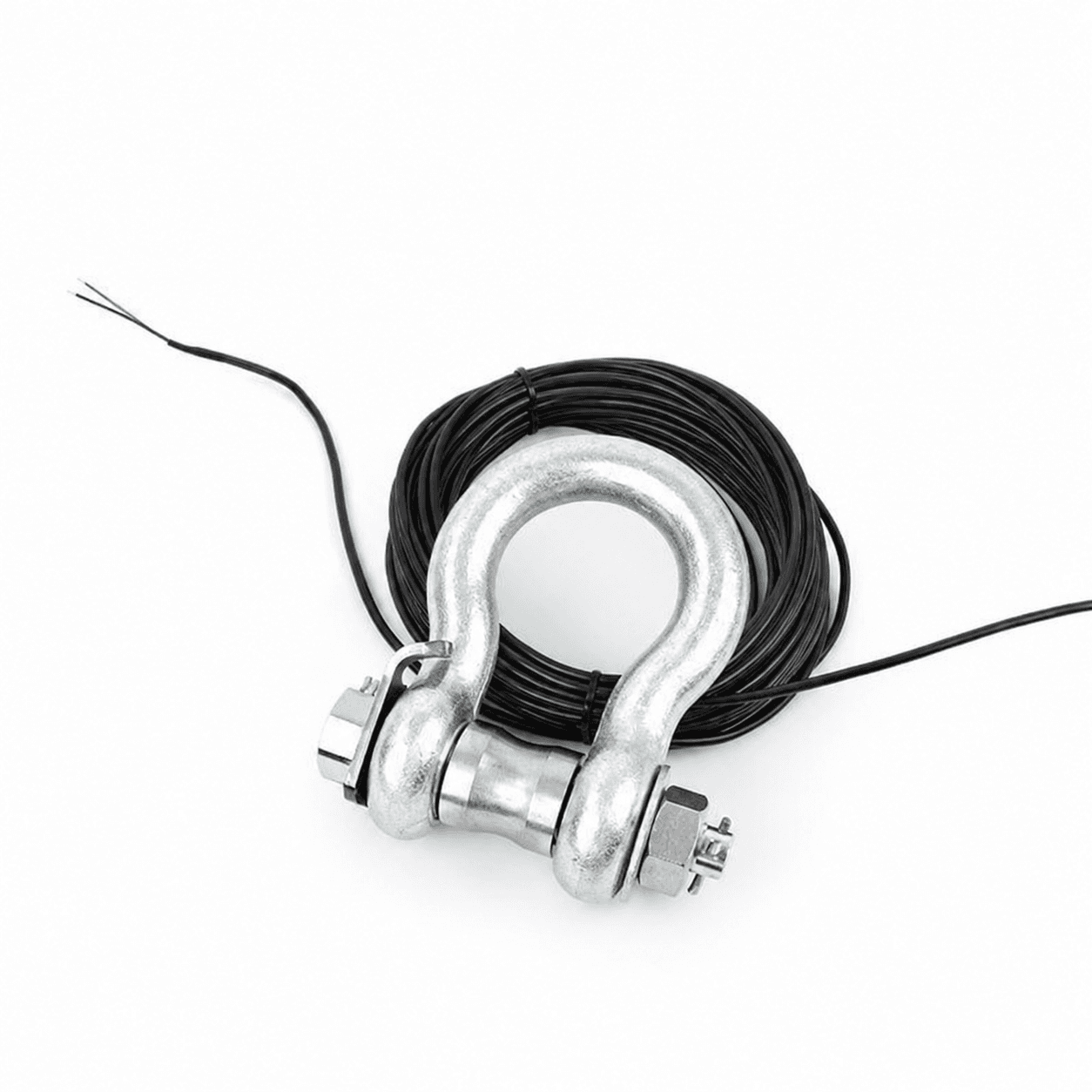
A sensor in one angled bridle leg measures that leg’s tension; a measuring point above a bag cluster has a different load boundary. Identify the actual positions and angles before interpreting or combining readings. Water density and the filling medium also affect any volume-based estimate.
ENGINEERING RESOURCES / 02
JW Automarine's guidance treats the water bag and lifting set as an identified arrangement with specific instructions. Use the actual equipment documentation when defining the project, including filling/discharge and the consequences of a failure. This checklist is for procurement and measurement planning, not an operating sequence.
| Kit item | State the requested scope |
|---|---|
| Bags and lifting set | Existing manufacturer/model, capacity, inspection identity and intended arrangement |
| Connection hardware | Mating eyes, bearing contact, pin retention, clearance and approved loading directions |
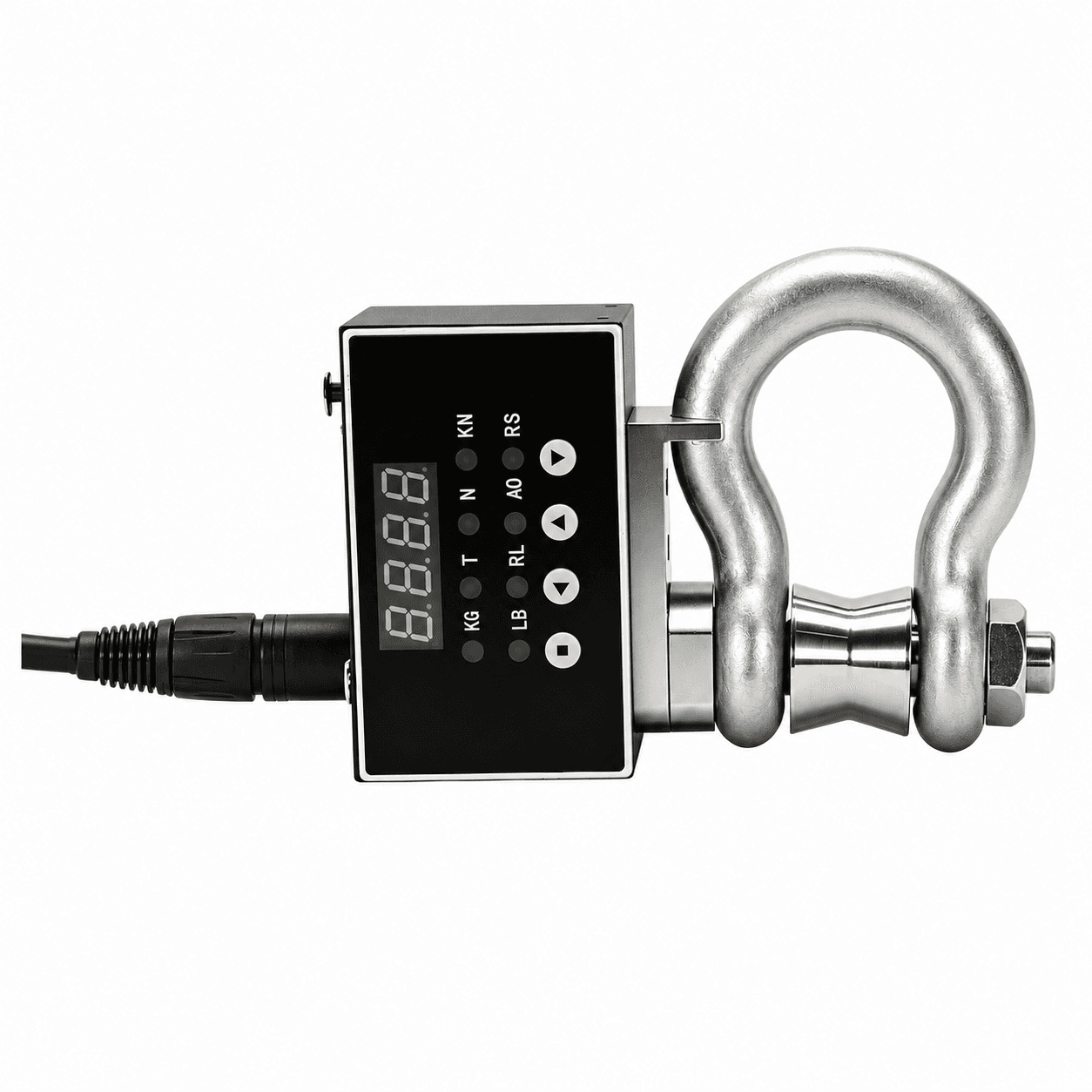
| Sensor and readout | Requested measurement range, output, compatible readout and calibration chain |
| Data record | Peak or time history, units, timestamps, sampling needs and export format |
| Site and witness | Water supply/discharge, working envelope, test-plan authority and attendance scope |
Source context: JW Automarine: water-weight load-test bag guidance · JW Automarine: water-bag instruction manual
ENGINEERING RESOURCES / 03
Record the equipment under test, its applicable requirements, the responsible competent person and the acceptance criteria. Do not calculate a field proof load by applying a generic percentage to a web catalogue WLL.
HSE explains that examination and testing are not interchangeable and that routine overload testing is not required for most lifting equipment. The decision to test, the method and the records depend on the actual equipment and applicable requirements.
Review sudden load loss, stored energy and possible crane/boom response in the project risk assessment. A release mechanism does not replace the actual bag’s controlled-discharge requirements. The test-plan authority must define the relevant equipment response and exclusion arrangements.
Identify the item, configuration, required load case and acceptance responsibility.
Identify sensor/readout, force range, calibration setup and the required uncertainty or resolution.
Specify who observes the test, what is recorded and who issues the relevant document.
Source context: HSE: thorough examination and load testing
ENGINEERING RESOURCES / 04
A display's largest number is not automatically the accepted test result. Define tare, filtering, sampling and the applicable recording procedure with the responsible party. A software-generated record is not, by itself, independent witnessing or class acceptance.
For bollard-pull work, request the specified sampling, averaging window and treatment of line geometry from the project’s test authority. Do not import a universal 30-second or 60-second averaging rule from a different procedure.
| Requested result | Record requirements to discuss |
|---|---|
| Maximum indication | Peak-hold behavior, reset procedure and the identified sensor/readout |
| Time-history record | Timestamps, sampling/update behavior, units and export format |
| Multiple points | Point identity, synchronized records and the method of interpreting combined readings |
| Witnessed evidence | Test item/configuration, instrumentation identities and agreed issuing scope |
ENGINEERING RESOURCES / 05
Blank project-input worksheet. Not an approved design, operating procedure, product specification or certificate.
Download PDFDownload text versionOr prepare the request online →MANUFACTURER / STANDARDS / REGULATOR CONTEXT
JWAGN-002, Issue 2, April 2026. Follow the instructions for the actual bag and lifting set, not a generic website sequence.
Product-specific operating guidance. It is not a test plan for the equipment being examined.
UK guidance explains the role of examination and when testing may be required; it is not a universal proof-load multiplier.
These references explain selection questions. The actual offered configuration, rating, instructions and records must identify the supplied assembly.
BEFORE YOU ISSUE THE RFQ
Treat nominal volume or capacity and measured force as separate quantities. The actual test method determines the required measurement and verification.
It depends on the sensor position and the agreed tare convention. Mark the measured boundary and all suspended items on the sketch.
Use the applicable requirements and approved test plan for the equipment under test. This page does not assign a universal percentage or hold time.
Only after reviewing the horizontal load path, mounting/contact, measurement range, duty and recording requirements. A water-bag configuration is not automatically transferable.
It depends on the required evidence. Time history, timestamps, identified instrumentation and witness scope may be required separately.
No. A measurement record concerns the identified instrument chain; examination, structural testing and acceptance of the crane are separate responsibilities.
No. List existing and requested equipment and services explicitly. Availability and supplied scope are confirmed in the quotation.
Yes. Include identities, dimensions, requested load and units, duty, readout/logging needs and document scope; agree confidentiality before sensitive CAD exchange.
PROJECT INPUTS / EMAIL HANDOVER
Enter what is known and leave unresolved values blank. Your choices stay in this browser until you copy them or open your email application.
List the drawing and requested records. Supply scope and availability are confirmed after reviewing the actual configuration.
Open worksheets and the NDA draft in a new tabYour email app sends the message. Attach drawings there. Copy request also keeps the complete text for your existing project thread.